CHAPP Collection
Six botanical personalities paired with moringa
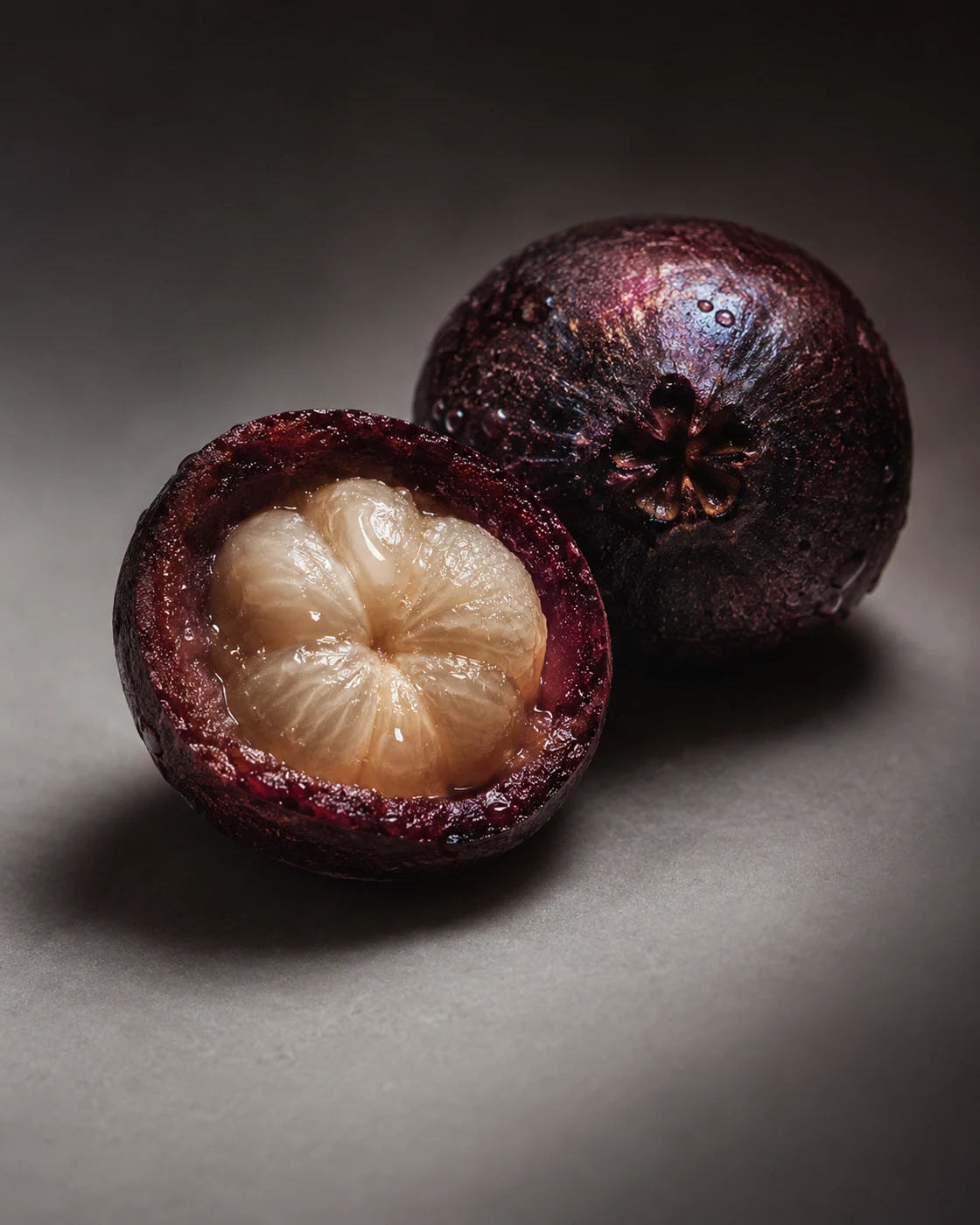
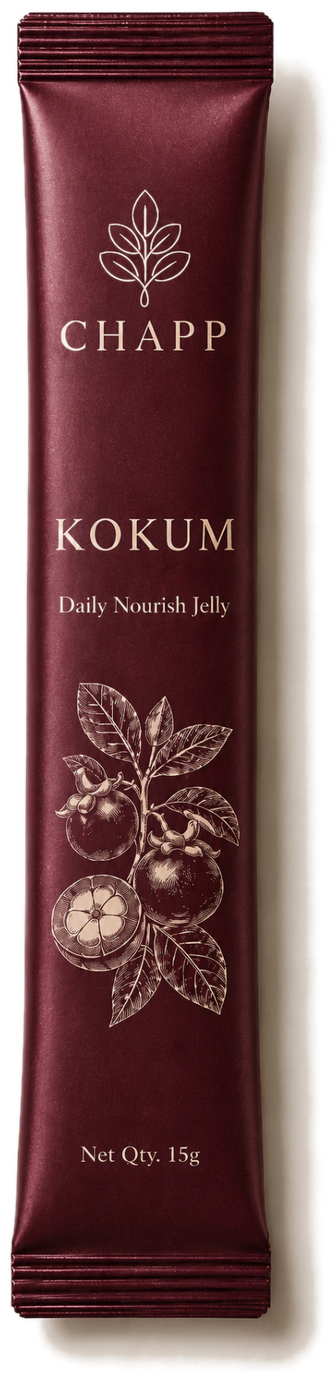
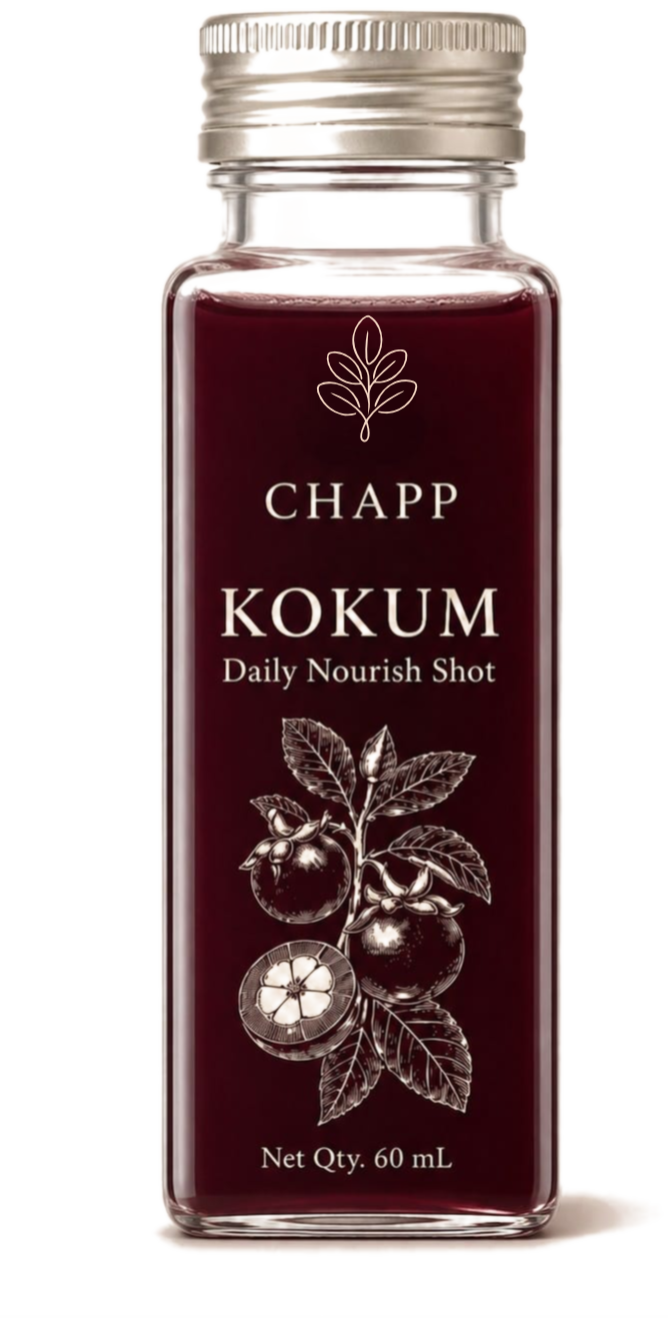
Kokum — Coastal depth
Tangy, ruby and clean. Kokum gives the moringa base a distinctive coastal sourness and a rounded botanical finish.
Why paired with moringa: Kokum’s tartness cuts through moringa’s green notes, while its deep colour and food history make the pairing culturally coherent rather than decorative.
Research context: Kokum is studied for naturally occurring anthocyanins and garcinol, with research interest around antioxidant and inflammatory pathways.
Taste direction: Tangy, rounded and distinctly coastal
Food-culture story: A food-culture reference from India’s western coast carried into a modern daily format.
Research trail for Kokum
Raw Mango — Sharp and fresh
Bright, green and familiar. Raw mango lifts moringa with acidity, freshness and an everyday Indian food memory.
Why paired with moringa: Raw mango’s direct acidity sharpens the formula and makes moringa’s vegetal character feel intentional, familiar and refreshing.
Research context: Raw mango is researched for its vitamin C and phenolic composition. Actual nutrient levels and any permitted claim depend on variety, processing and the final serving.
Taste direction: Bright, sharp and refreshingly green
Food-culture story: The taste of raw mango translated from familiar food culture into a portable format.
Research trail for Raw Mango
Pomegranate — Jewel-toned
Vivid and familiar. Pomegranate brings fruit depth, jewel-toned colour and a clean sweet-tart finish to the CHAPP moringa base.
Why paired with moringa: Its acidity and fruit depth soften moringa’s green character, while its polyphenol-rich identity adds a complementary botanical story.
Research context: Pomegranate polyphenols, including ellagitannins and anthocyanins, are widely investigated in antioxidant and cardiometabolic research.
Taste direction: Sweet-tart, juicy and rounded
Food-culture story: A familiar fruit reframed as an everyday modern ritual.
Research trail for Pomegranate
Hibiscus — Ruby tartness
Floral, sharp and elegant. Hibiscus balances moringa’s green notes with acidity and a vivid ruby character.
Why paired with moringa: Hibiscus adds clean tartness and floral lift, helping the moringa base feel brighter while preserving a botanical rather than confectionery profile.
Research context: Hibiscus anthocyanins, polyphenols and organic acids are studied in antioxidant and cardiometabolic research, including blood-pressure-related markers.
Taste direction: Floral, tart and crisp
Food-culture story: A botanical used across the Global South, interpreted here as a clean daily flavour.
Research trail for Hibiscus
Jamun — Dark fruit body
Deep purple and lightly astringent. Jamun makes the blend feel structured, grown-up and unmistakably rooted.
Why paired with moringa: Its gentle astringency and dark-fruit body give moringa a more structured finish, while both ingredients carry strong South Asian food-memory associations.
Research context: Jamun contains anthocyanins and other polyphenols studied in antioxidant and metabolic research, including work on glucose-related markers.
Taste direction: Deep fruit, lightly astringent and grown-up
Food-culture story: A South Asian fruit memory with an unmistakable dark-purple identity.
Research trail for Jamun
Açaí — Berry smoothness
Dark, smooth and modern. Açaí gives the formula a soft berry depth without turning the story into candy.
Why paired with moringa: Its rounded berry profile gives moringa a softer entry point, while its deep-purple identity broadens CHAPP’s Global South ingredient story beyond South Asia.
Research context: Açaí anthocyanins and other polyphenols are studied in antioxidant and inflammatory-marker research, though findings do not automatically translate into a finished-product claim.
Taste direction: Smooth, dark-berry and softly rounded
Food-culture story: An Amazonian fruit identity paired with the CHAPP moringa system.
Research trail for Açaí
Research context, not finished-product health claims. Any nutrition or health claim used at launch will depend on the final formulation, serving size, laboratory validation and applicable Great Britain conditions of use.